Pest & Disease Guide
Identify, prevent, and manage common garden pests in Frederick County, Maryland
🚨 High Priority: Spotted Lanternfly Alert
The Spotted Lanternfly is an invasive species actively spreading in Frederick County. Early detection and reporting are critical to prevent further spread.
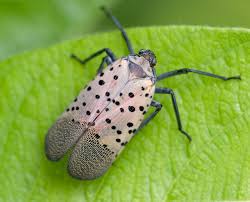
Spotted Lanternfly
Lycorma delicatula
Affects:
An invasive planthopper native to Asia that poses a serious threat to agriculture and forestry in Frederick County. First detected in Pennsylvania in 2014, it has spread rapidly through the Mid-Atlantic region. The spotted lanternfly feeds on over 70 plant species, causing significant damage to crops and trees.
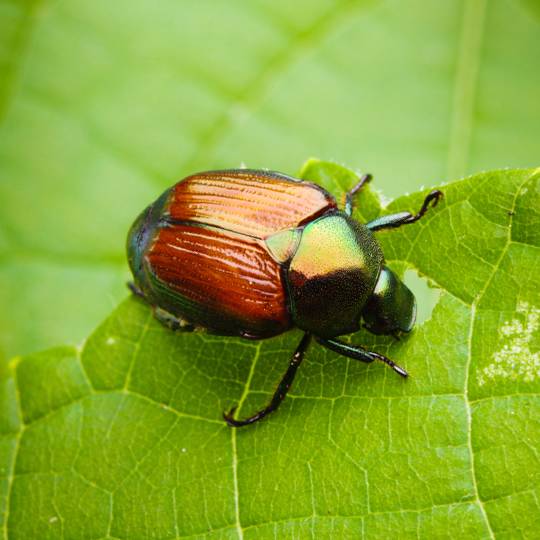
Japanese Beetle
Popillia japonica
Affects:
Metallic green and bronze beetles that skeletonize leaves and feed on flowers and fruits. They are highly destructive and can quickly defoliate plants. Larvae (grubs) feed on grass roots, damaging lawns.
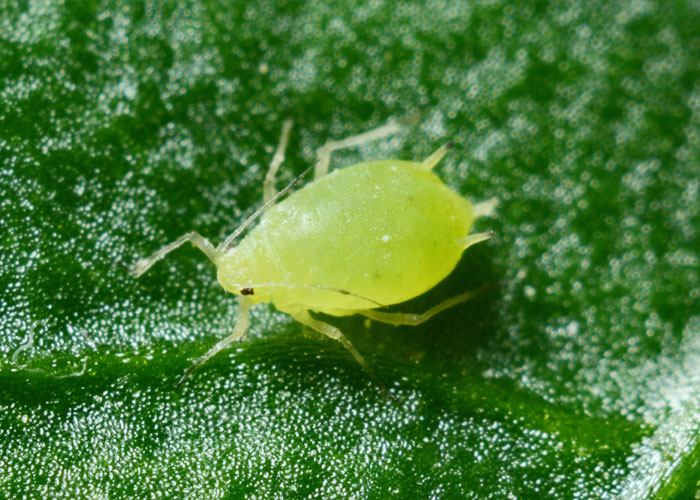
Aphids
Aphidoidea
Affects:
Small, soft-bodied insects that suck sap from plant leaves and stems. They reproduce rapidly and can cause stunted growth, curled leaves, and transmit plant viruses. Honeydew secretion promotes sooty mold growth.
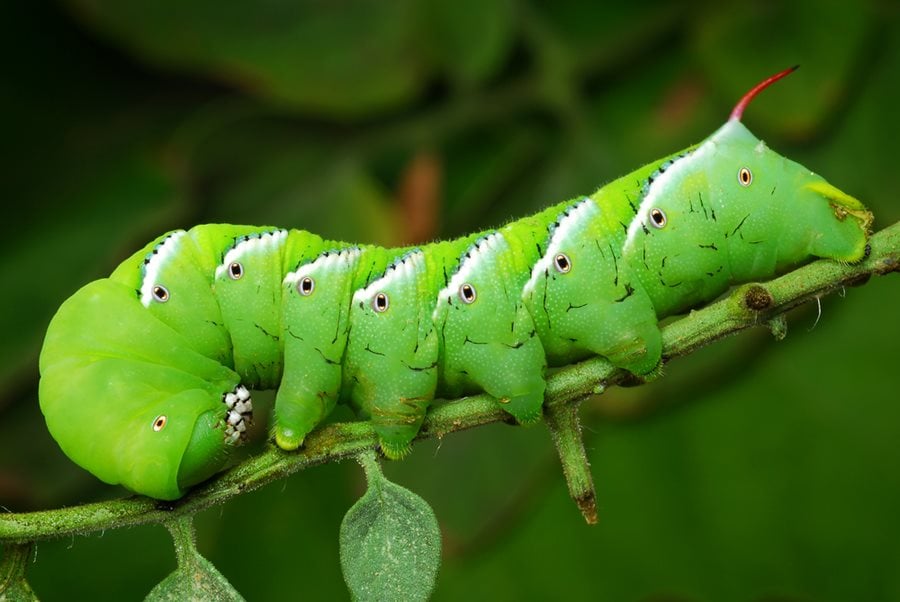
Tomato Hornworm
Manduca quinquemaculata
Affects:
Large green caterpillars that can defoliate tomato plants overnight. They blend in with foliage, making them difficult to spot. A single hornworm can consume multiple leaves per day.
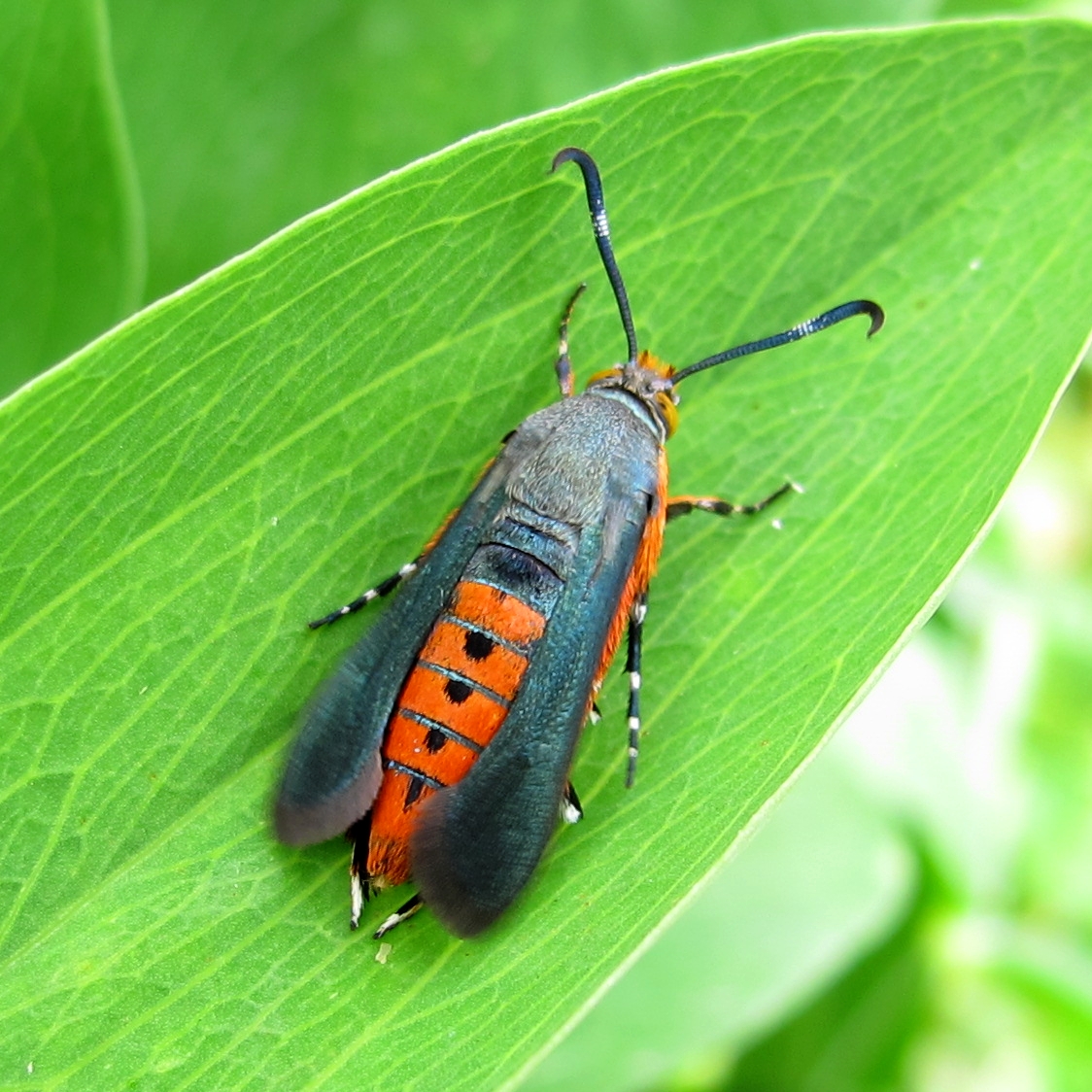
Squash Vine Borer
Melittia cucurbitae
Affects:
Larva that bores into squash plant stems, causing sudden wilting and plant death. The adult is a clear-winged moth that lays eggs at the base of plants. Once inside the stem, larvae are difficult to control.
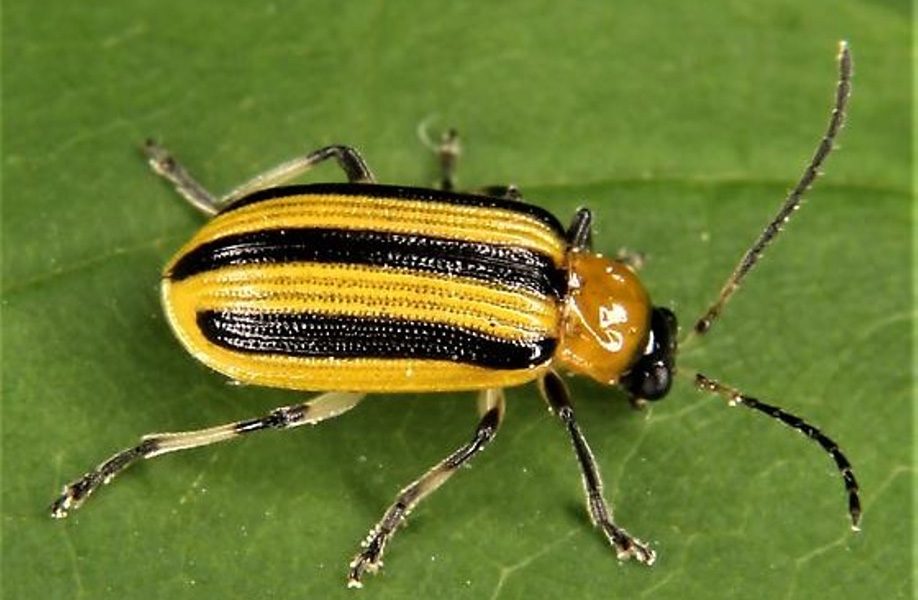
Cucumber Beetle
Acalymma vittatum / Diabrotica undecimpunctata
Affects:
Striped or spotted beetles that feed on leaves, flowers, and fruits. They transmit bacterial wilt and cucumber mosaic virus. Larvae feed on roots, stunting plant growth.
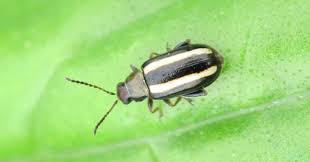
Flea Beetle
Alticini
Affects:
Small jumping beetles that create numerous small holes in leaves, giving them a "shot-hole" appearance. While rarely fatal, heavy infestations can stunt growth and reduce yields.
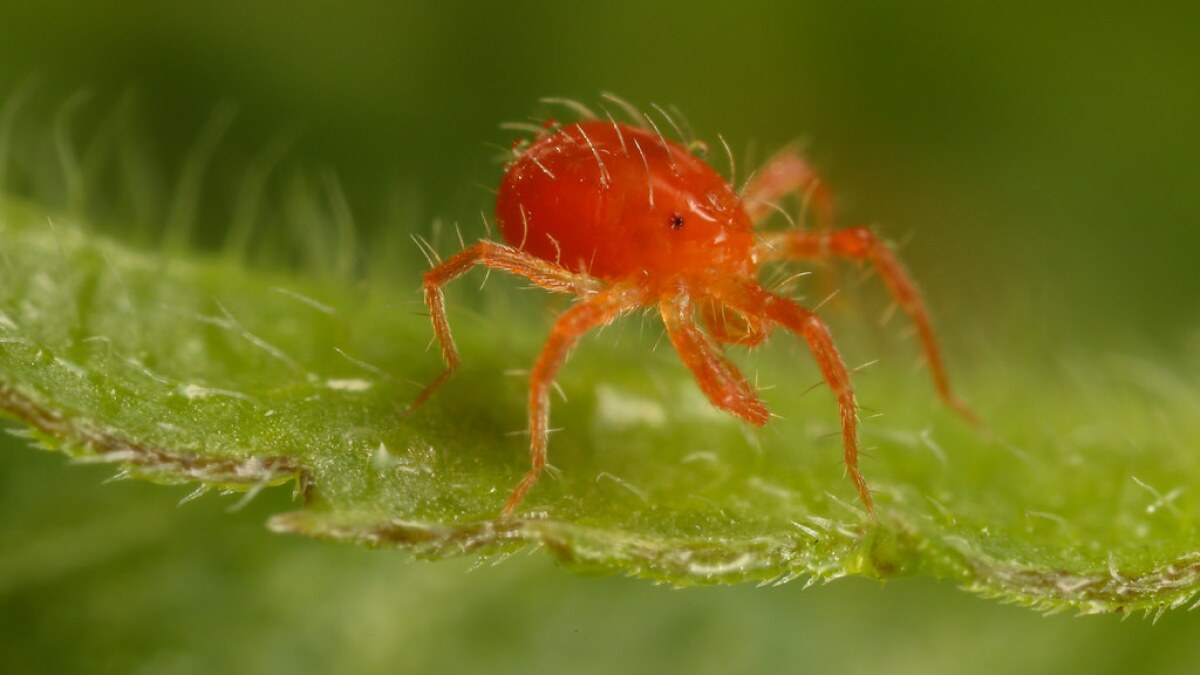
Spider Mites
Tetranychidae
Affects:
Tiny arachnids that suck plant sap, causing stippling, yellowing, and webbing. Thrive in hot, dry conditions. Can reproduce rapidly, causing significant damage in short time.
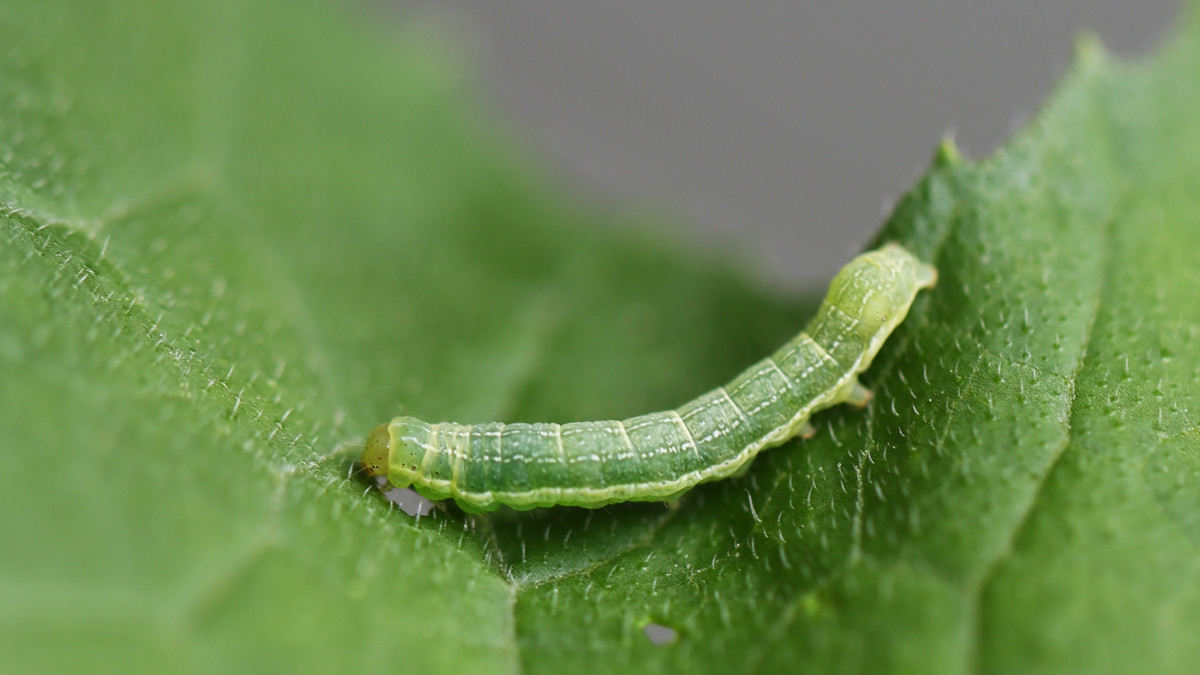
Cabbage Worm
Pieris rapae
Affects:
Green caterpillars that feed on brassica crops, creating holes in leaves and heads. The adult is a white butterfly with black spots. Multiple generations per year.
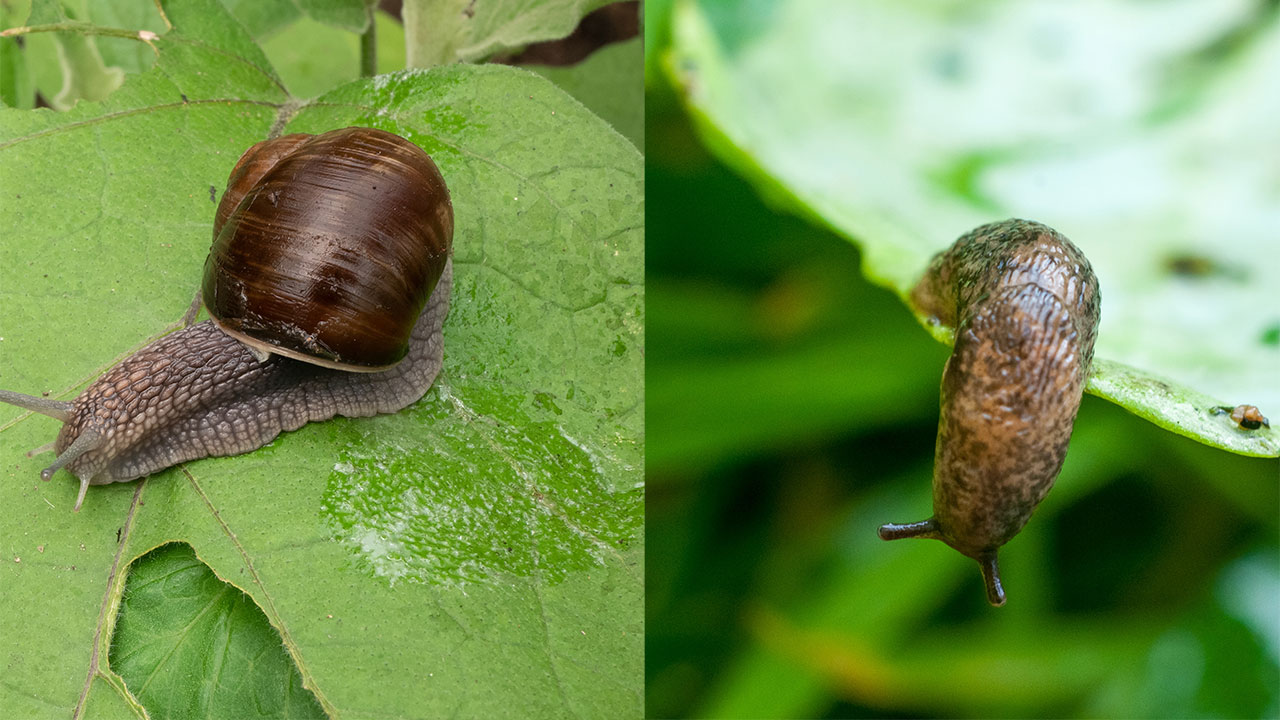
Slugs and Snails
Gastropoda
Affects:
Mollusks that feed on leaves, stems, and fruits, leaving irregular holes and slime trails. Most active at night and during wet weather. Can damage seedlings severely.
Spotted a new pest?
Help the community by reporting pest sightings in your area. Early detection helps protect Frederick County's agriculture and natural resources.